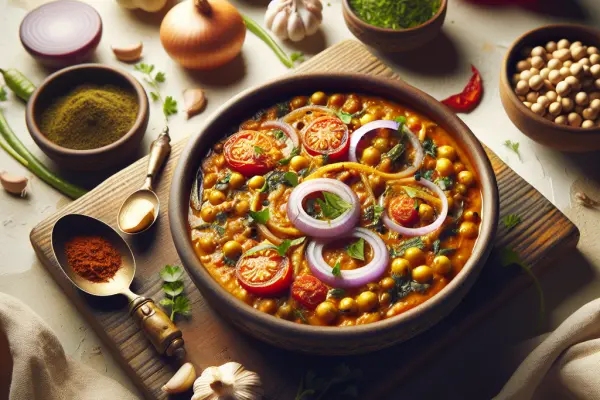
The Secret to Creamy Dal Makhani: Garam Masala & Slow Cooking
There are few dishes in Indian cuisine that evoke such a profound sense of comfort and luxury as authentic Punjabi Dal Makhani. More than just a simple lentil dish, it's a culinary masterpiece – a velvety, rich, and deeply flavorful creation that has graced countless wedding feasts and special occasions. While a basic tadka dal offers everyday solace, Dal Makhani stands in a league of its own, a testament to the magic that happens when patience meets the right blend of ingredients. Hailing from the vibrant culinary landscape of North India, particularly influenced by the Peshawar Punjabi community post-partition, this iconic dish has transcended its regional origins to become a beloved staple in Indian restaurants worldwide. But what truly elevates it from a mere dal to an unforgettable experience? The secret lies in a harmonious interplay of its core ingredients, the artistry of slow cooking, and the aromatic embrace of garam masala.
Unveiling the Heart of Punjabi Dal Makhani: Urad Dal and Rajma
At its very foundation, Punjabi Dal Makhani is a celebration of two primary legumes: black lentils (urad dal) and kidney beans (rajma). While Indian cooking boasts over 50 varieties of lentils, from the common toor dal to channa and moong, it is the humble urad dal that is unequivocally central to a classic Dal Makhani. These black lentils possess a unique starchy quality that, when coaxed correctly through long cooking, breaks down to create the dish's signature creamy texture.
Complementing the urad dal are kidney beans, or rajma. These add a different textural dimension and a subtle earthiness that perfectly balances the richness of the lentils. Together, they form a robust base, primed to absorb the layers of flavor that will be built upon them. The selection and preparation of these legumes are crucial; they are traditionally soaked overnight, a vital step that aids in cooking, improves digestibility, and contributes to the ultimate tenderness of the finished dish.
The journey of Dal Makhani from a regional specialty to a global icon is fascinating. What started as a staple in Punjabi homes and celebrations, particularly after the influences from Peshawar, has now found its rightful place on Mughlai and North Indian restaurant menus across continents. Its universal appeal lies in its indulgent character, making it a true comfort food for many, irrespective of their background.
The Art of Slow Cooking: Patience Rewards Creaminess
The name "Dal Makhani" itself hints at its luxurious nature, with "Makhani" meaning "buttery." However, achieving that signature, melt-in-your-mouth creaminess isn't solely about the butter and cream added at the end. It's primarily about the dedication to slow cooking. This is where the magic truly unfolds, transforming simple lentils into a velvety, rich gravy that often requires surprisingly less dairy than one might assume to achieve that restaurant-style decadence.
The process begins with the overnight soaking of both the black lentils and kidney beans in ample water. This crucial step not only softens them but also reduces cooking time significantly. Once soaked, they are transferred to a large, heavy-bottomed saucepan with fresh water and a pinch of salt. Here, they are brought to a boil and then left to simmer on a low heat for an extended period – often several hours. During this phase, it's important to stir occasionally and carefully skim off any foam that rises to the surface.
As the lentils cook slowly, their starches are gradually released into the cooking liquid, thickening it naturally and creating that desired creamy consistency. This patient process allows the flavors to meld deeply, resulting in a richness that cannot be rushed. After hours of simmering, a key technique involves gently mashing a portion of the lentils with a potato masher, leaving some whole for textural contrast. This labor-intensive step is fundamental to achieving the characteristic coarse yet creamy consistency of a perfect Punjabi Dal Makhani.
For those short on time, a pressure cooker offers a convenient alternative, capable of achieving soft lentils in a fraction of the time (typically 8-10 whistles on medium flame). However, purists would argue that the depth of flavor developed through traditional slow simmering is unparalleled, allowing each ingredient to contribute fully to the dish's complex profile.
Garam Masala: The Aromatic Soul of Dal Makhani
While slow cooking lays the foundation for texture, it is garam masala that provides the unique aromatic character and soul of Punjabi Dal Makhani. This fragrant blend of "warm spices" is not merely an addition; it's an essential flavor enhancer, weaving together the earthy notes of the lentils with a complex, spicy warmth that is utterly captivating. Without garam masala, the dish, however creamy, would lack its quintessential depth and warmth.
The tempering, or tadka, is where these spices truly shine. After the lentils have achieved their desired tenderness, the tempering process begins. In a separate heavy-bottomed pan, oil (or ghee for added richness) is heated on a low flame. Spices like asafoetida (hing), dried red chilies, and cumin seeds are first allowed to sizzle for a few seconds, releasing their initial aromas. Then, finely minced garlic and ginger are introduced, followed by onions, which are sautéed until beautifully softened and translucent.
Instead of yogurt, many modern recipes, like those adapted from traditional family recipes, opt for tomatoes to impart a rich, tangy flavor. Freshly pureed tomatoes, often augmented with a touch of tomato paste, are cooked down until the oil separates, creating a luscious, deep red base. It's at this stage, or just before the final simmer, that a high-quality garam masala is added, infusing the entire dish with its complex bouquet of flavors – often including cardamom, cinnamon, cloves, and peppercorns. This careful layering of aromatics and spices, combined with the slow-cooked lentils, transforms simple ingredients into an extraordinary culinary experience. The tangy, savory, and subtly spicy notes create a harmonious balance that defines this iconic Punjabi Dal Makhani.
The Indulgent Finish: Butter and Cream
The culmination of preparing a truly magnificent Punjabi Dal Makhani arrives with its indulgent finishing touches: generous quantities of butter and cream. This is precisely why the dish is often reserved for special occasions; these ingredients elevate it from a hearty meal to a luxurious feast. While traditional restaurant versions in places like Delhi might call for a kilogram of butter, home cooks can achieve remarkable results with a more judicious, yet still substantial, amount.
Once the lentils are perfectly cooked, mashed, and infused with the aromatic tempering, fresh cream is stirred in, adding an unparalleled richness and velvety smoothness. This is often followed by a final drizzle of melted butter or ghee, sometimes infused with a pinch of red chili powder and dried fenugreek leaves (kasuri methi) for an extra layer of aroma and a beautiful visual appeal. This last tempering, poured directly over the simmering dal, is not merely a garnish; it is a critical step that enhances the overall flavor profile and mouthfeel, bringing all the elements together into a cohesive, deeply satisfying whole.
There's a delicate balance to strike here: while the temptation might be to skimp on these ingredients, a Dal Makhani without sufficient butter and cream risks losing its signature luxury. They don't just add fat; they add body, sheen, and a nuanced creaminess that defines the dish. It's this unapologetic embrace of richness that transforms Punjabi Dal Makhani into the ultimate comfort food and a celebratory centerpiece, a true testament to the philosophy that some dishes are simply meant to be savored in their full glory.
Conclusion
The allure of Punjabi Dal Makhani is undeniable, a dish that masterfully combines simplicity with sophistication. Its secret lies not in a single ingredient but in the synergy of several crucial elements: the humble yet rich black lentils (urad dal) and kidney beans, the transformative power of patient slow cooking, the complex aromatic embrace of garam masala, and the indulgent final touch of butter and cream. Each step, from the overnight soak to the final luxurious swirl, plays a vital role in crafting this deeply flavorful, creamy, and truly unforgettable culinary experience. Whether enjoyed with warm naan, fluffy rice, or simply on its own, Dal Makhani remains a cherished classic, offering a taste of North Indian heritage and a comforting hug in every spoonful. Embrace the process, and you'll unlock the secrets to a Dal Makhani that rivals any restaurant creation.
